

AI Safety Connect Day | Wednesday 18 February
The Imperial Hotel, New Delhi

Overview
Our flagship event co-hosted with IASEAI brings together approximately 250 policymakers, researchers, and industry leaders for a full day of programming. The event includes panels, lightning talks, and workshops focused on practical coordination mechanisms. Sessions will address multilateral frameworks, technology-enabled governance, and bridging divides between sectors and regions. This is AISC's signature convening during the India Summit.
Time: Main Programme 9:30am - 6:45pm
Dinner & Reception: 6:45pm - 11:30pm
Location: The Imperial Hotel, New Delhi
Capacity: Approximately 250 attendees
Co-hosts: AI Safety Connect and International Association for Safe & Ethical AI (IASEAI)
Agenda
MORNING SESSIONS
Welcome & Opening Remarks: Why India, Why Now? - Framing the need to discuss safe and trusted AI through risk, security, and technical contexts
Fireside Chat: Frontier AI: Boom, Bust, or Backlash? - Discussing how the global community can responsibly steer AI for societal wellbeing
Panel: Setting the Global AI Safety Risk Agenda - Investigating key pressing safety risks and global priority areas for the multistakeholder AI community
Panel: The Last Question: Will We Lose Control of Advanced AI? - Exploring avenues to avoid loss of control of advanced AI systems through technical governance
8:30 - 9:30 am
Registration (60 mins)
SESSION ONE

Mr. Nicolas Miailhe
Mr. Cyrus Hodes

Dr. Eileen Donahoe
9:30 - 9:50 am
WELCOME & OPENING REMARKS
AI Safety Connect and invited opening speakers will open the event, framing the need to discuss safe and trusted AI through risk, security, and technical contexts.SESSION TWO
SPEAKERS
Prof. Yoshua Bengio
Mr. Jaan Tallinn

Dr. Carina Prunkl
9:55 - 10:40 am
FIRESIDE CHAT ON FRONTIER AI: BOOM, BUST, OR BACKLASH?
(30 mins discussion + 10 mins Q&A)
As AI adoption races, economic pundits wonder whether frontier AI will bring forth a new technological boom or bust. What has been rather unprecedented is the growing backlash — calls to strip AI away from ‘agentic’ tasks and replace rapid development with reasoned development.

In conversation with Yoshua Bengio, a forefather of AI safety, this fireside chat will discuss how and if the global community can responsibly steer AI so it can be used for purposeful and meaningful societal wellbeing.
10:40 - 11:00 am
Coffee Break
11:00 - 11:10 am
Film Screening
The AI Doc: Or How I Became an ApocaloptimistSESSION EE1 (PARALLEL SESSION)
Dr. Chloé Touzet
Mr. Bruno Galizzi
11:05 - 11:55 am
Lightning Talk: “From Quantitative Risk Modeling to Safe-by-Design AI Research: Ensuring AI Technologies are Safe”
SESSION THREE
SPEAKERS
Stephanie
Ifayemi
Dr. Gabriela
Ramos
Baroness Joanna
Shields
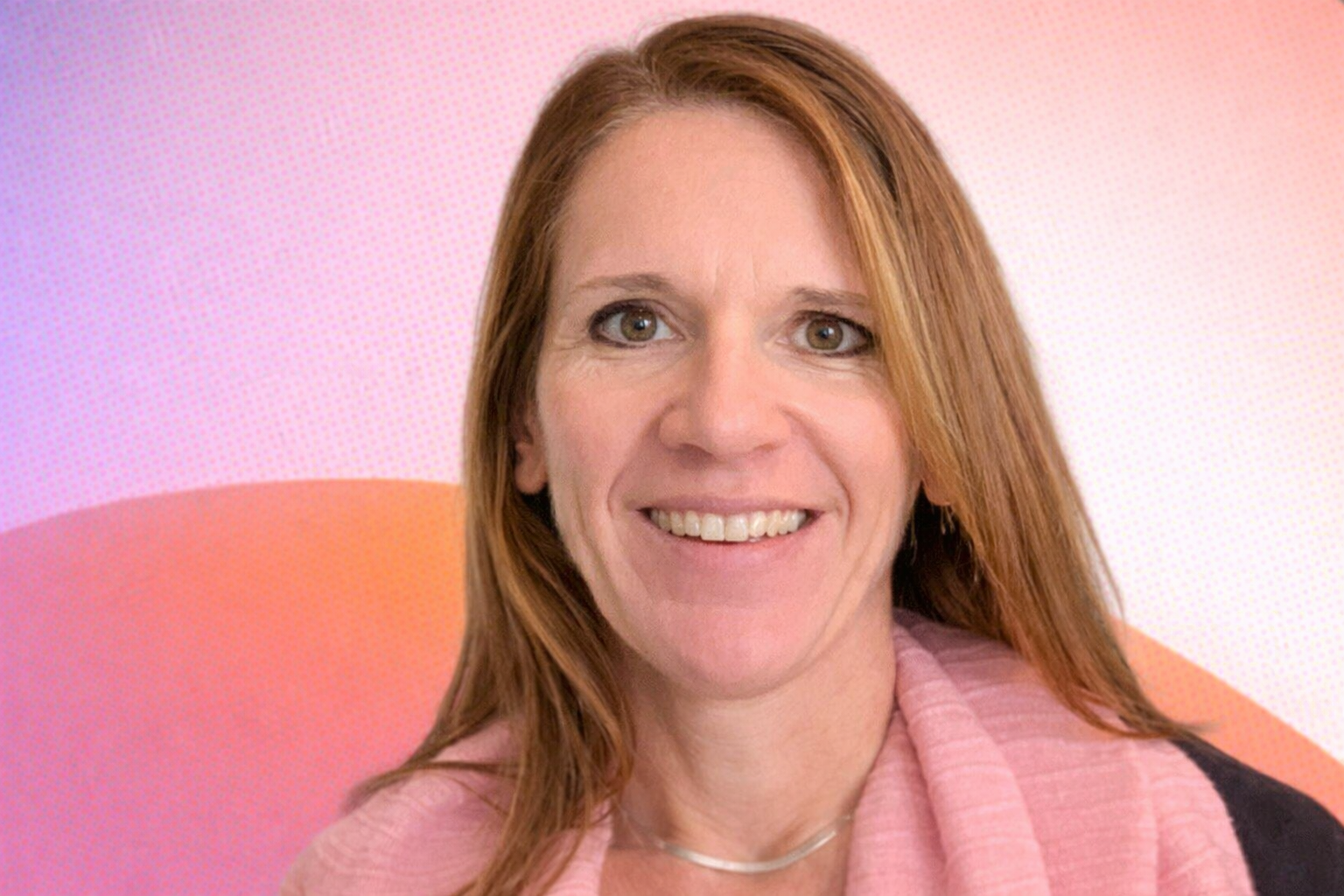
Ms. Karine Perset

Mr. Stephen Clare
MODERATOR

Dr, Renata Dawn
11:10 - 11:55 am
PANEL: SETTING THE GLOBAL AI SAFETY RISK AGENDA
(35 mins discussion + 10 mins Q&A)
‘Safety’ is used as an umbrella term for myriad concerns AI systems face — from online wellbeing to quelling disinformation to protecting physical critical infrastructures and supply chains. Although the scale of these risks tends to be global in nature, their research, assessment, and mitigation strategies remain national/local at present. This panel investigates key pressing safety risks and considers what could be considered as global priority AI safety risks, and how the global and multistakeholder AI community could act on improving understanding and mitigation for these risks.AFTERNOON SESSIONS
Fireside Chat: Reading Farmer's Almanac for AI - Exploring the interplay between AI ambition and the imperative of safety over the long term
Panel: Safety Efforts by Frontier AI Developers - Discussing industry approaches to safety with leading frontier companies
Panel: Bending the Bell Curve: How Can Middle Powers Shape Global AI Power? - Policy and governance approaches to build middle power agency and coordination
Panel: Global AI Safety and India - Examining AI safety and control in India's context, drawing on experiences with digital public infrastructure
Panel: Coordinating AI Safety Across Borders - How international coordination mechanisms can enable safe, trusted, and equitable AI across countries
Closing Remarks - Synthesis of key takeaways
12:00 - 12:10 pm
Special address
A special address for scene setting ahead of discussions.
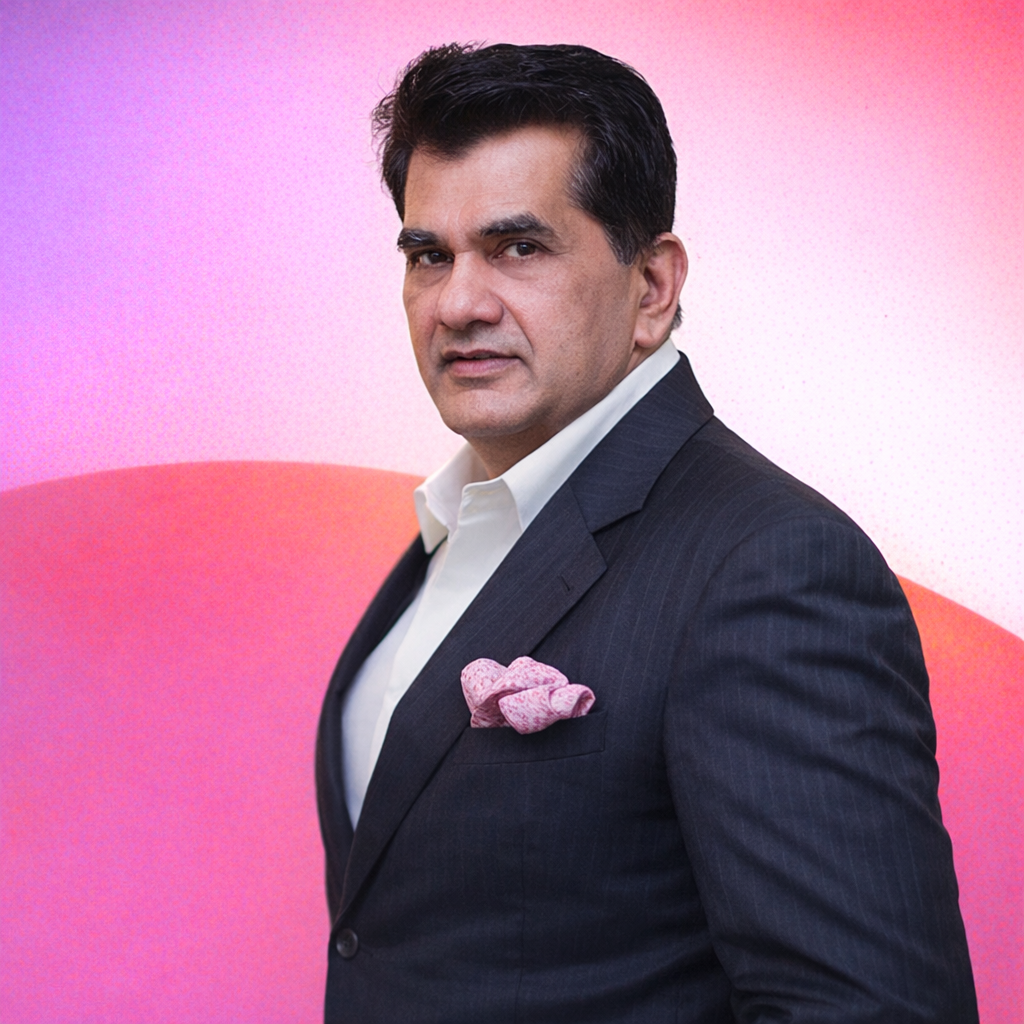
Shri Amitabh Kant
SESSION FOUR
SPEAKERS
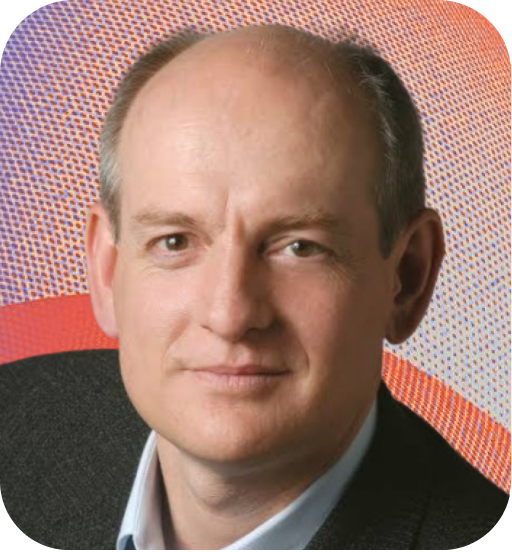
Prof. Stuart Russell
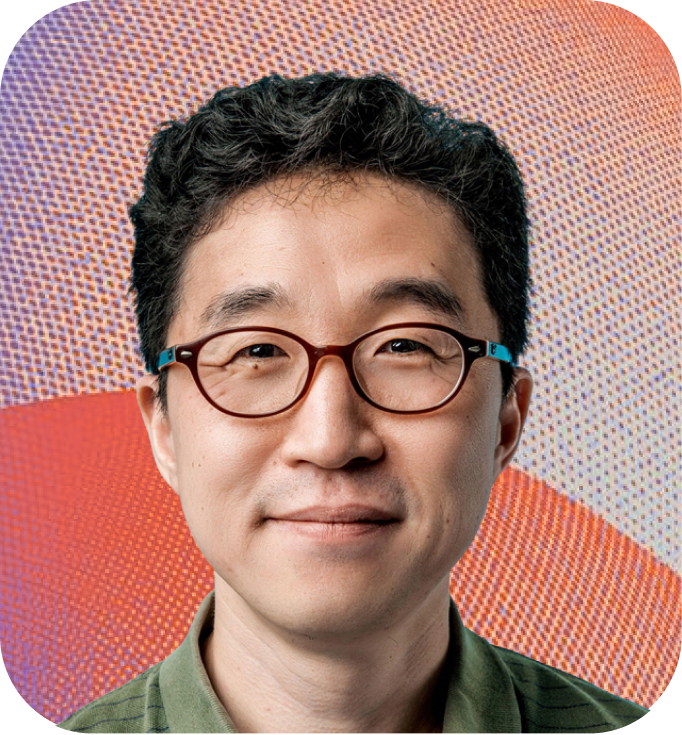
Prof. Kee-Eung Kim
MODERATOR

Dr. Adam Gleave
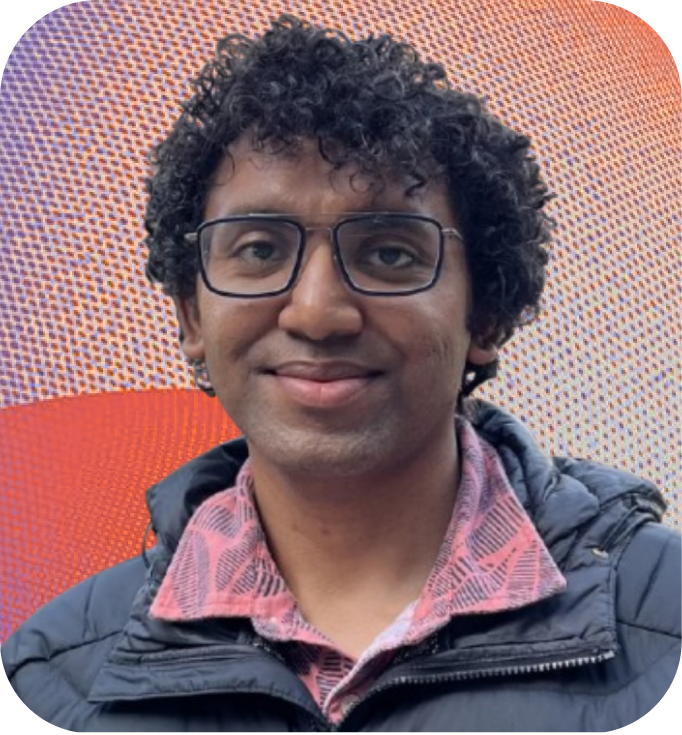
Prof. Pulkit Verma
Prof. Sarah Erfani
12:15 - 1:00 pm
PANEL: THE LAST QUESTION: WILL WE LOSE CONTROL OF ADVANCED AI?
As AI systems approach greater autonomy and capabilities, potentially moving into a “superintelligent” classification, the emerging AI governance, security, and risk management tools may not be sufficient to ensure we retain control and maintain their reliability and accountability.

This panel explores, through a technical governance lens, avenues to avoid loss of control of advanced AI systems.
SESSION EE2 (PARALLEL SESSION)
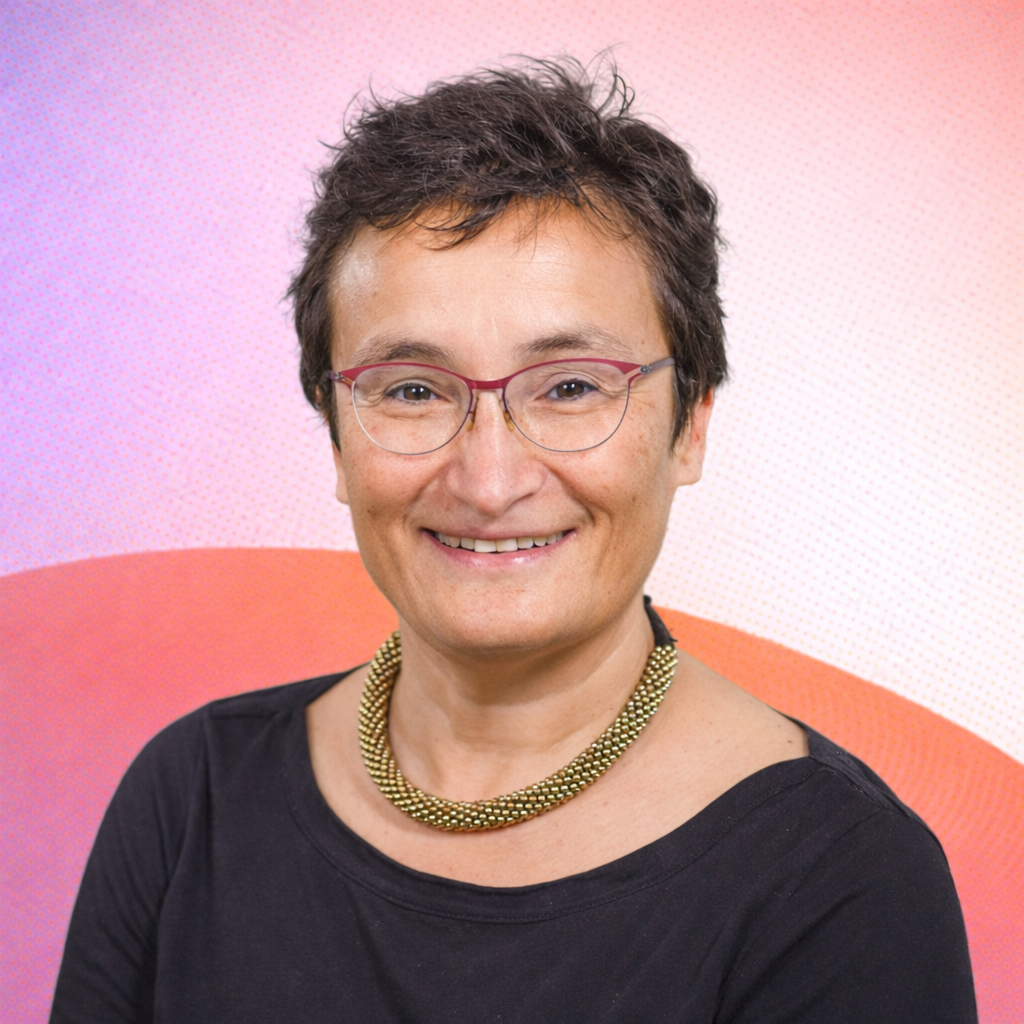
Prof. Virginia Dignum
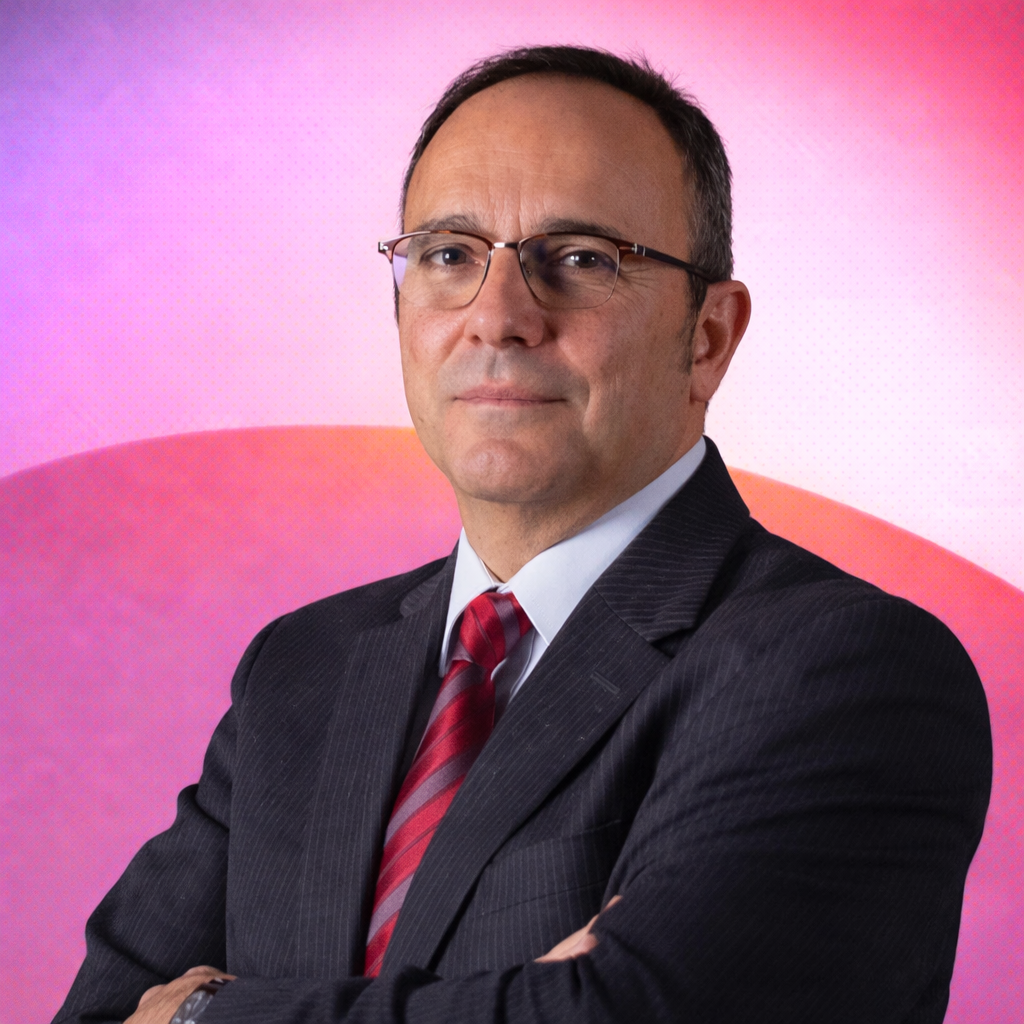
Prof. Yannis Ioannidis
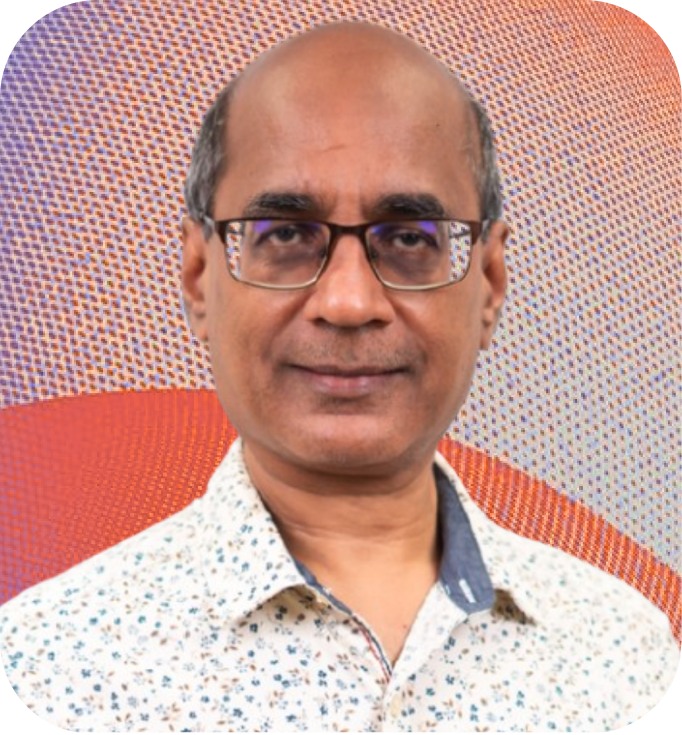
Dr. Mohan Kankanhalli
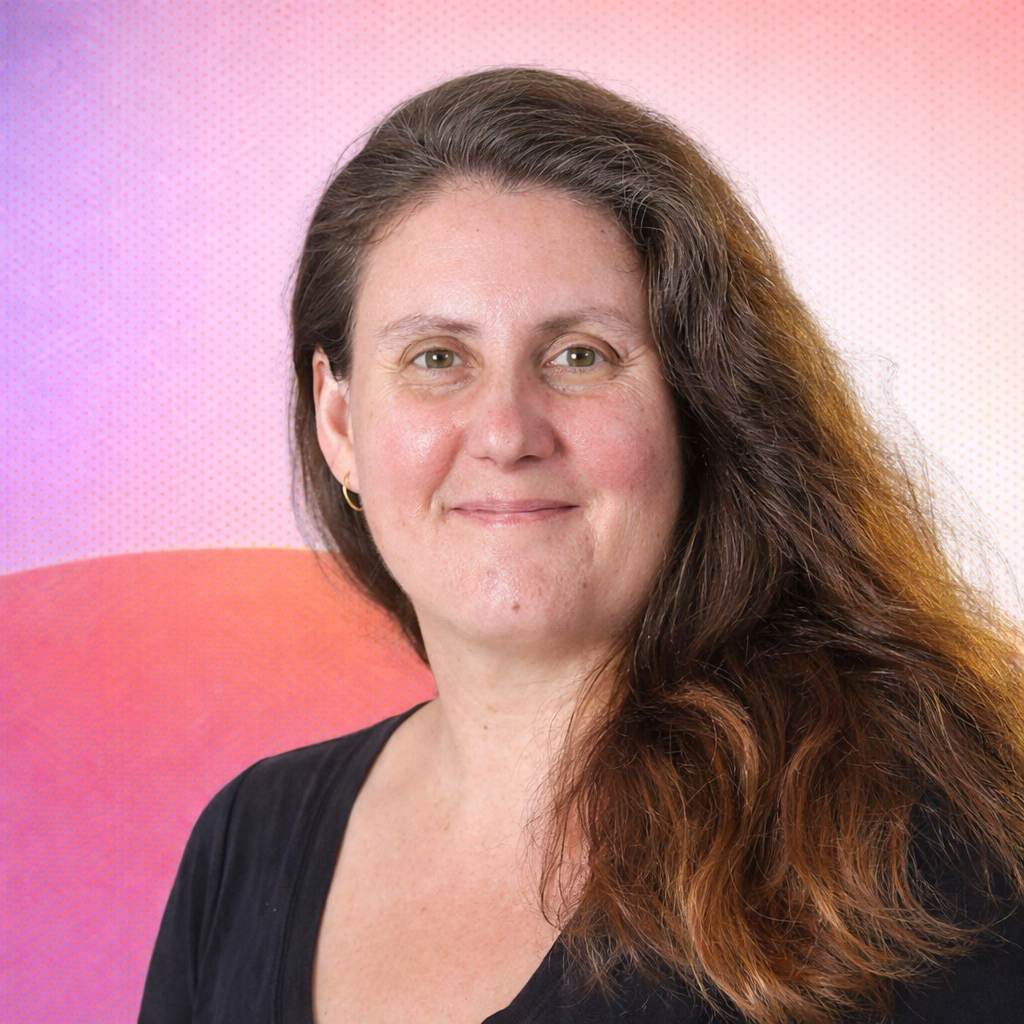
Prof. Jeanna Matthews
12:15 - 1:00 pm
ACM TechBrief Launch: “Buy versus Build an LLM: A Decision Framework for Governments”
1:00 - 2:40 pm
Lunch
SESSION EE 3 (WORKSHOP)
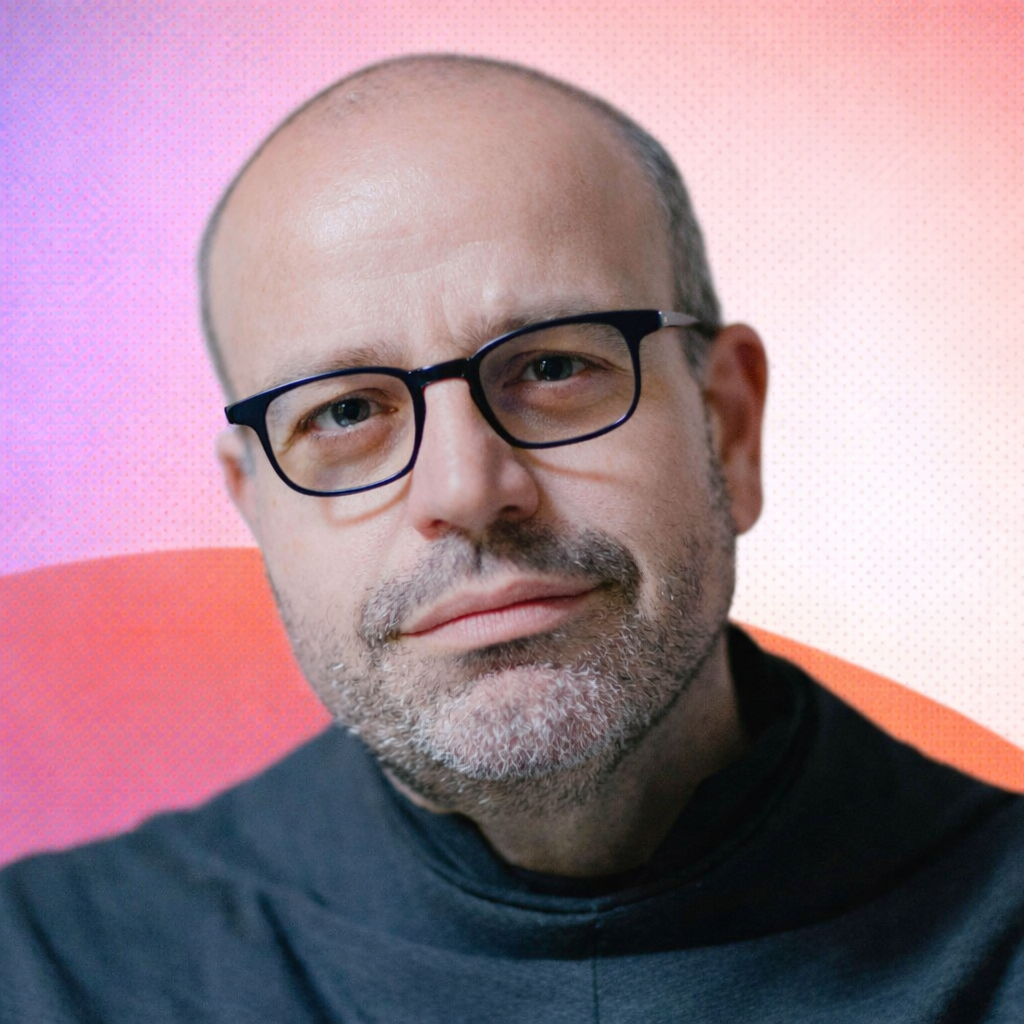
Father Paolo Benanti
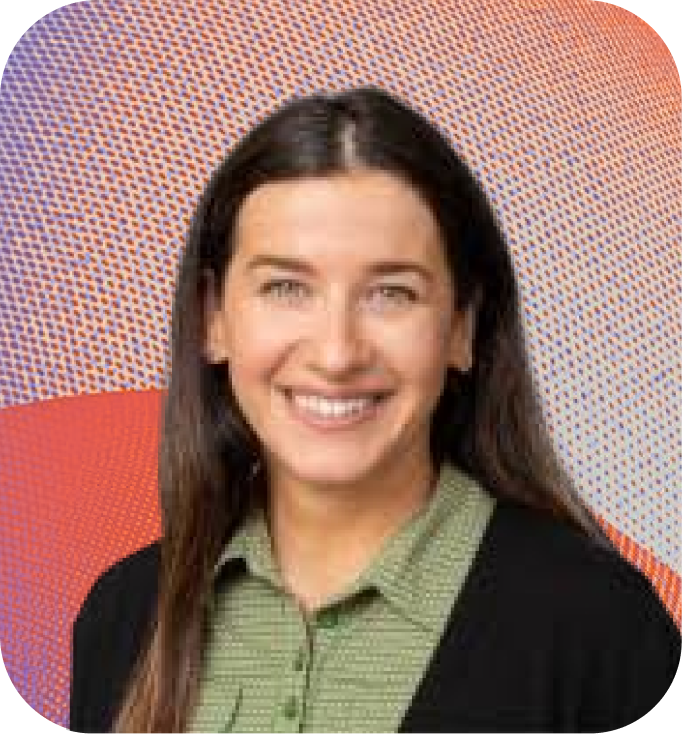
Ms. Niki Iliadis
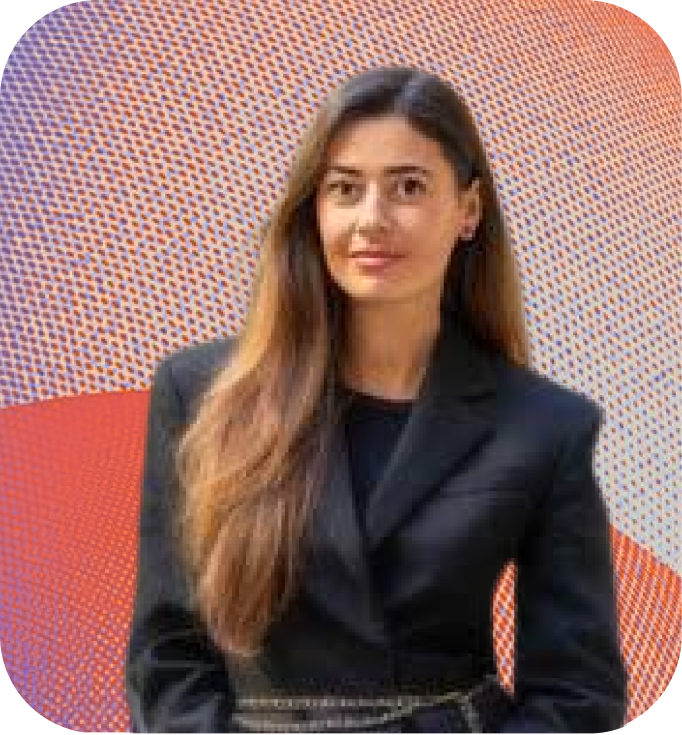
Ms. Pauline Charazac
2:25 - 3:40 pm
Workshop: Defining and Governing Unacceptable AI Risks
This workshop builds on the Global Call for AI Red Lines, a statement signed by over 100 prominent leaders, AI experts and Nobel laureates that calls for governments to come to international agreement on clear and verifiable red lines for preventing universally unacceptable risks in 2026.
It brings together government representatives, multilateral organizations, and expert institutions to examine where AI red lines are already forming, to identify areas of convergence across jurisdictions, and explore how these shared constraints can be elevated into coherent global mechanisms for AI governance.
3:40 - 4:00 pm
Coffee Break
SESSION SIX
SPEAKERS

Mr. Natasha Crampton

Ms. Nicole Foster
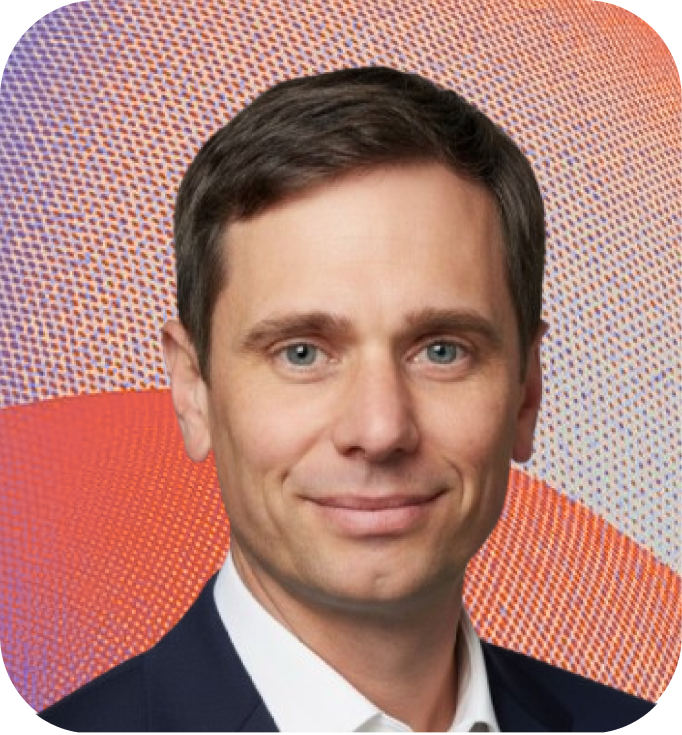
Mr. Owen Larter
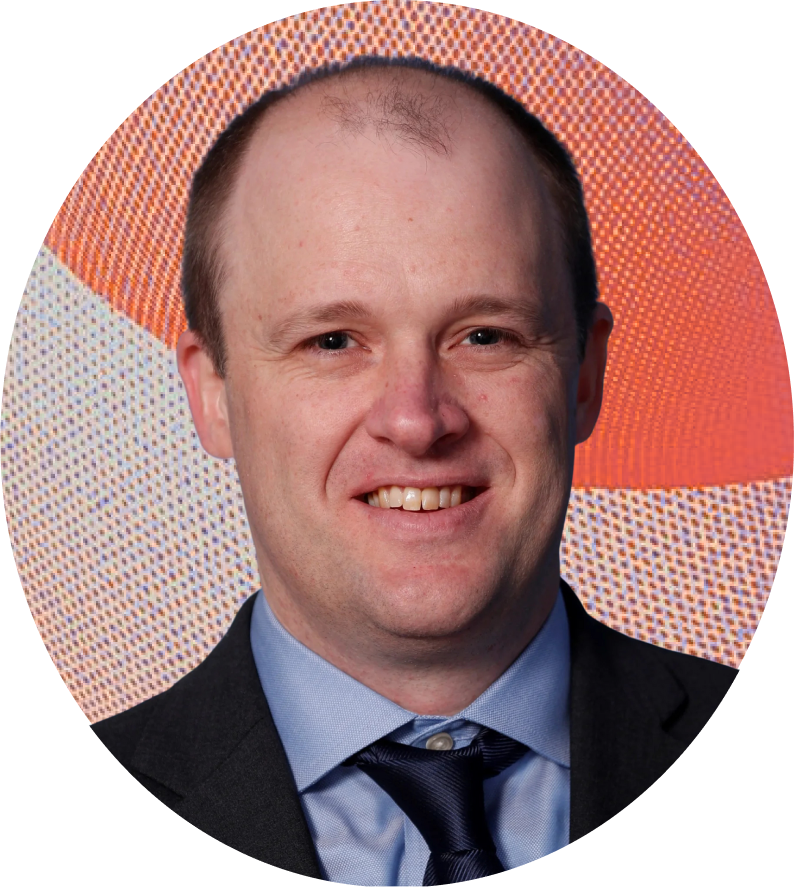
Dr. Chris Meserole
MODERATOR

Mr. Connor Dunlop
2:55 - 3:40 pm
PANEL: SAFETY EFFORTS BY FRONTIER AI DEVELOPERS
Frontier AI developers now sit at the center of the decisions that shape global risk, from model training to deployment choices to evaluation and monitoring responses.

This panel discusses these industry approaches to safety with leading frontier companies and social-impact ventures working on AI safety.
3:40 - 4:00 pm
Coffee Break
4:00 - 4:10 pm
Special address

H.E. Dick Schoof | Prime Minister of the Netherlands
A special address for scene setting ahead of discussions.
SESSION SEVEN
SPEAKERS

Mr. Denise Wong
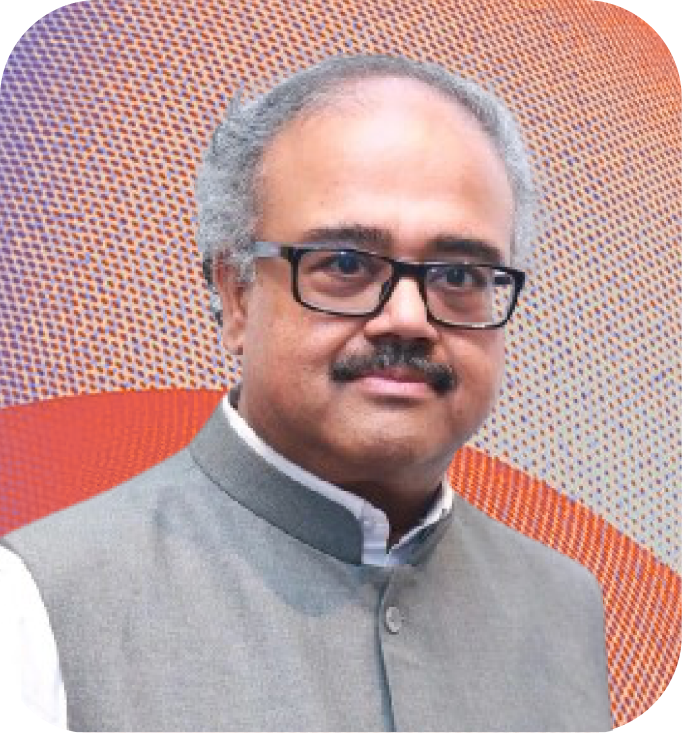
Prof. Balaraman Ravindran
MODERATOR
Ms. Imane Bello
Mr. Amlan Mohanty

Prof. Robert Trager

Ms. Gaia Marcus
4:10 - 4:55 pm
PANEL: BENDING THE BELL CURVE: HOW CAN MIDDLE POWERS SHAPE GLOBAL AI POWER?
Middle powers have a strong incentive to demand AGI/ASI safety. They face major risks to their national security and economic capability, yet at the same time, they lack the means to unilaterally influence superpowers to halt their attempts to develop ASI.This panel explores possible policy and governance approaches to build middle power agency and coordination efforts to recalibrate AI power dynamics for sustainable, equitable, and safe AI development and deploymentSESSION EIGHT
SPEAKERS
Dr. Chinmay Pandya
Mr. Osama Manzar
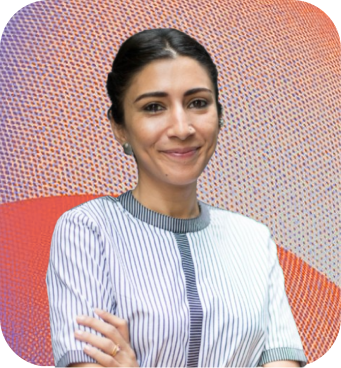
Dr. Urvashi Aneja
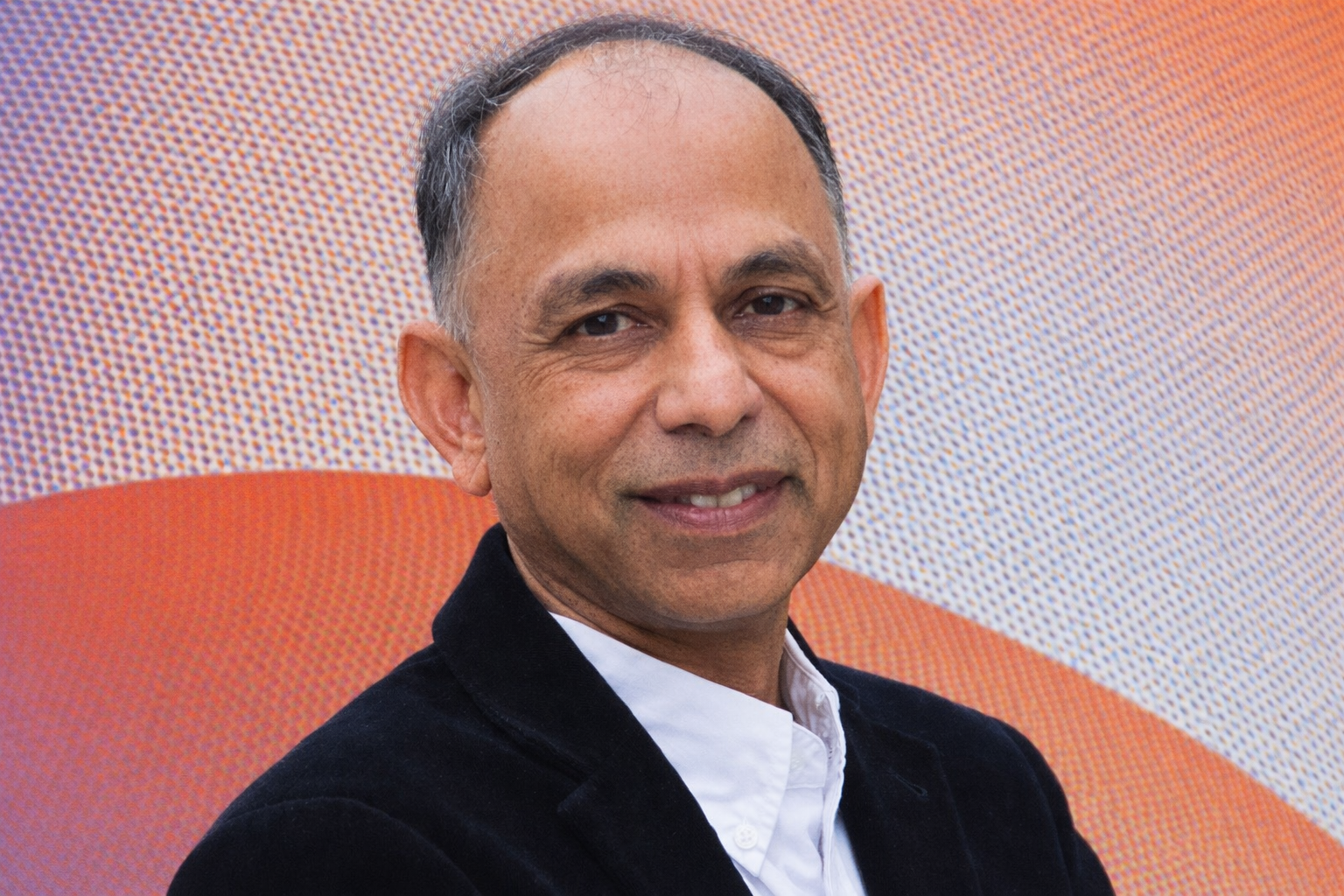
Prof. Hemant Bhargava
MODERATOR
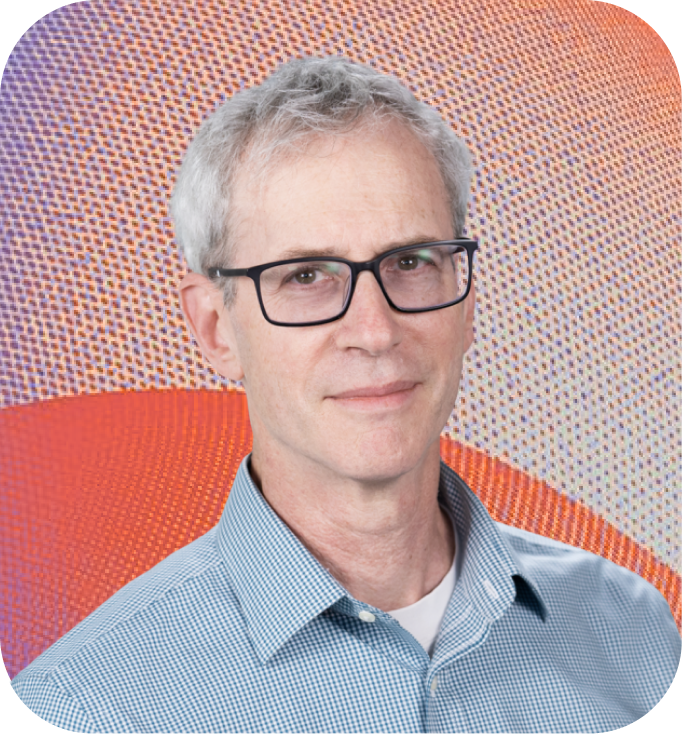
Dr. Mark Nitzberg
5:00 - 5:45 pm
PANEL: GLOBAL AI SAFETY AND INDIA
AI safety debates are often shaped by frontier companies and AI superpowers, while those most exposed to system failures and harms often remain several degrees removed from those agenda-setting and governance decisions.This panel examines how questions of AI safety and control are playing out in India — a country with immense cultural, linguistic, and socio-economic differences. This panel will draw on India’s experiences with digital public infrastructure, large-scale multilingual AI deployment, and ongoing efforts to advance digital access, rights, and literacy.SESSION NINE
SPEAKERS
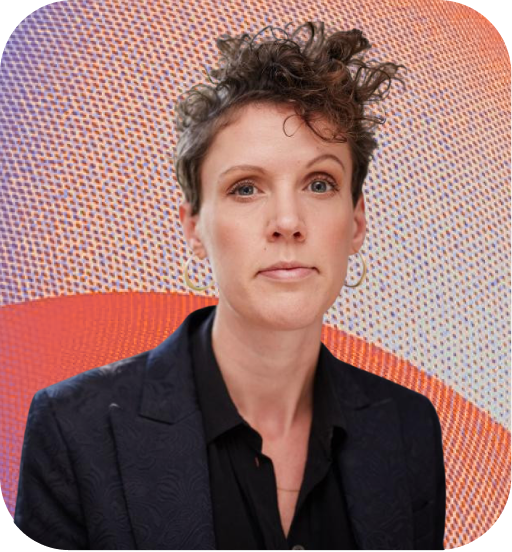
Ms. Anne Marie
Engtoft Meldgaard
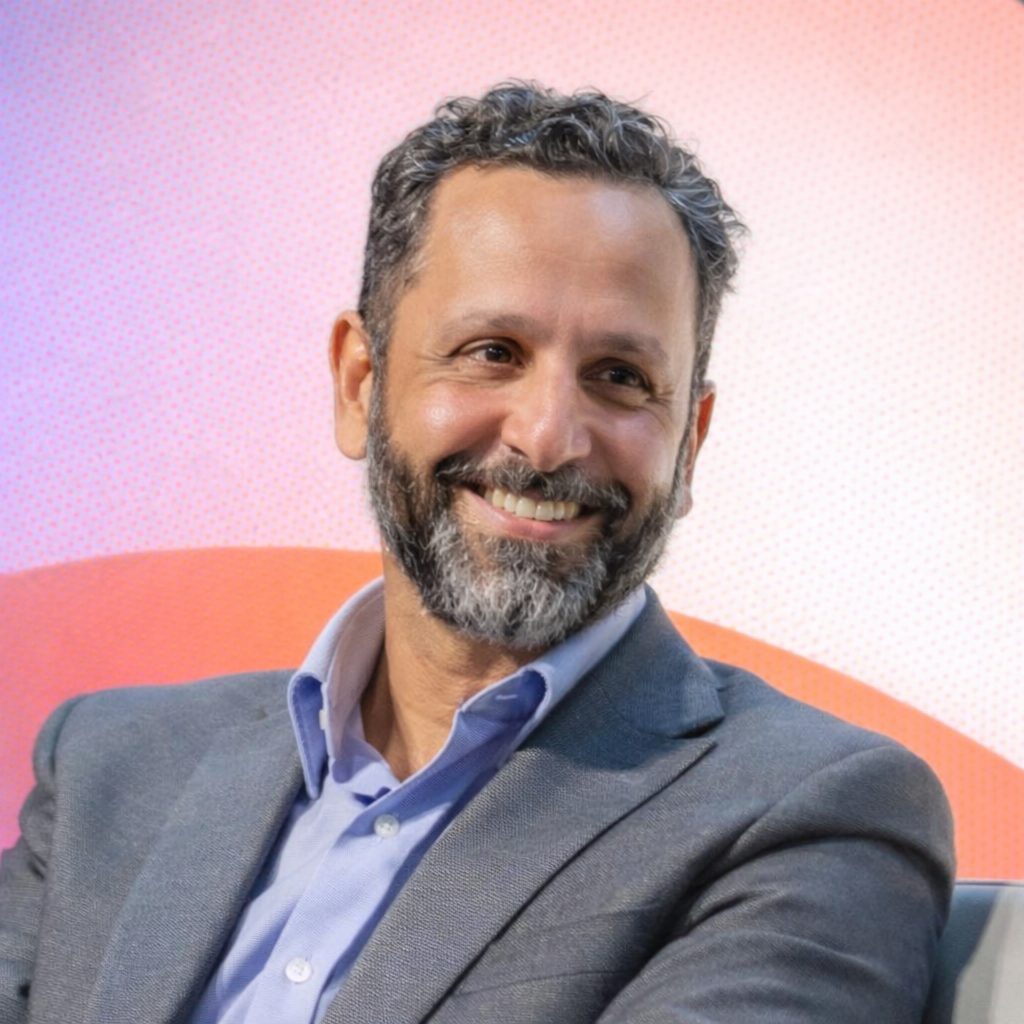
Mr. Samir Chhabra
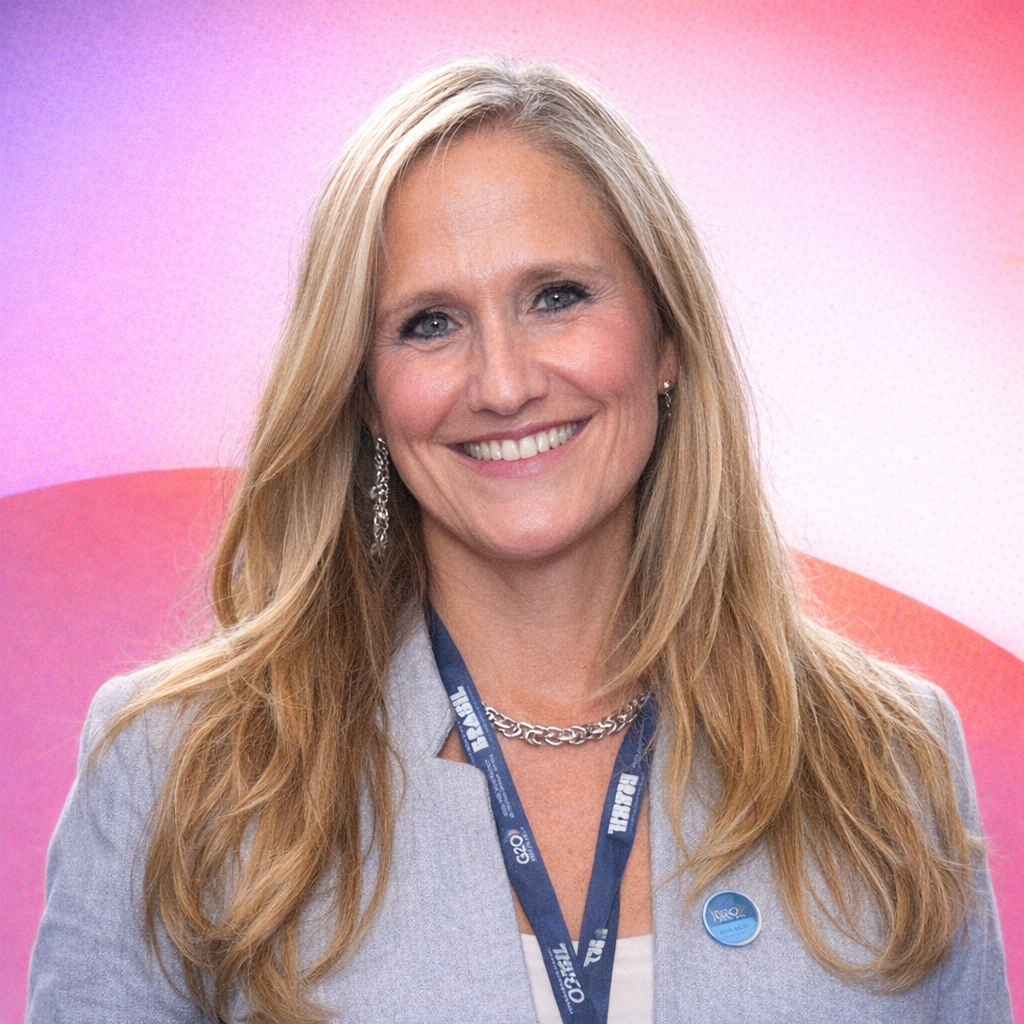
Dr. Mariagrazia Squicciarini
MODERATOR
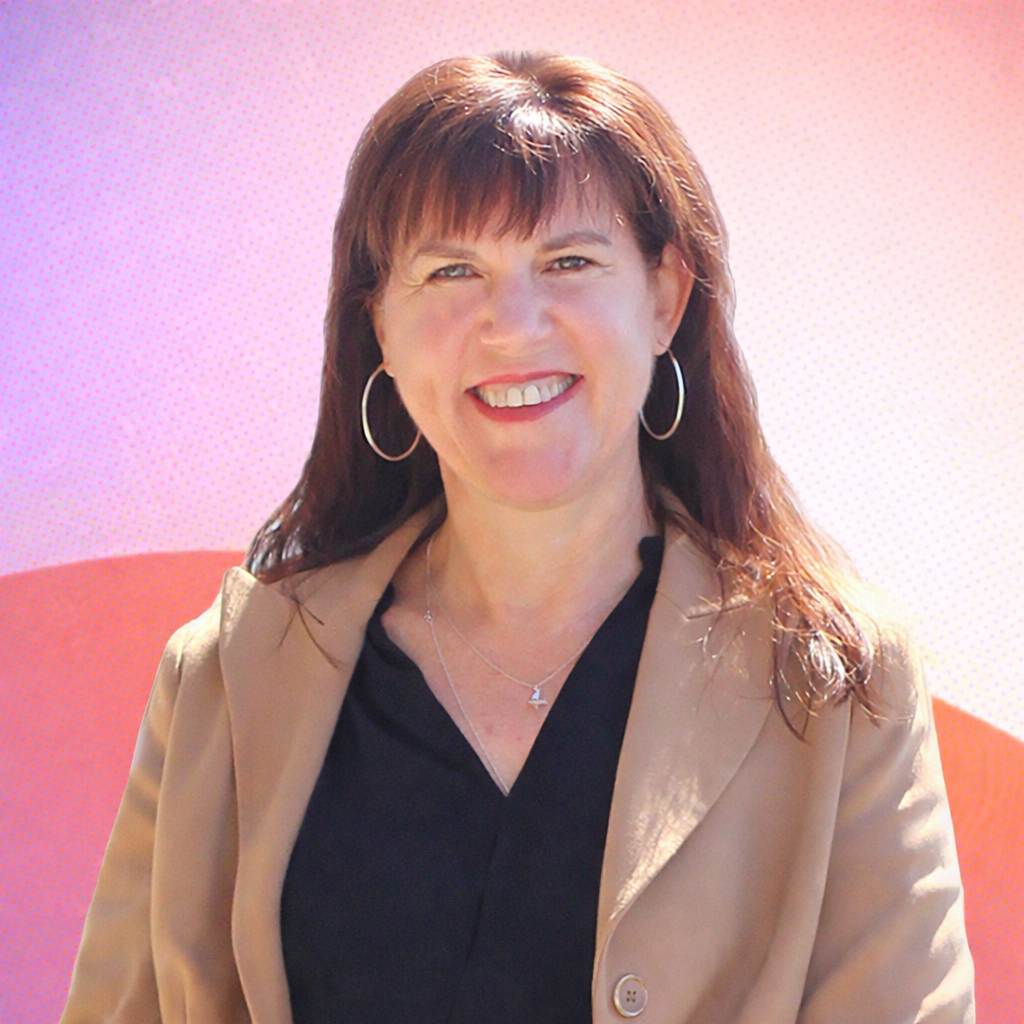
Dr. Claire Melamed
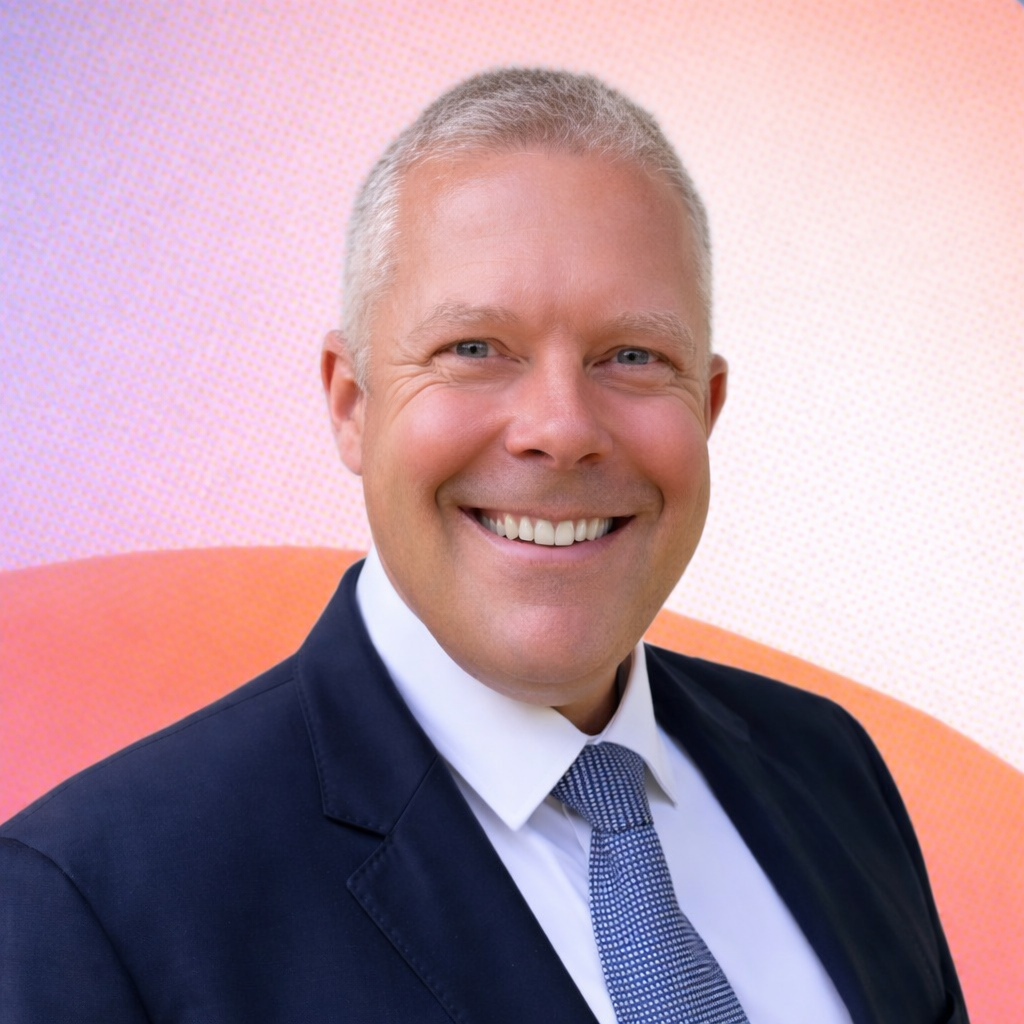
Mr. Frederic Werner
MODERATOR
2:40 - 2:50 pm
Special address
A special address for scene setting ahead of discussions.
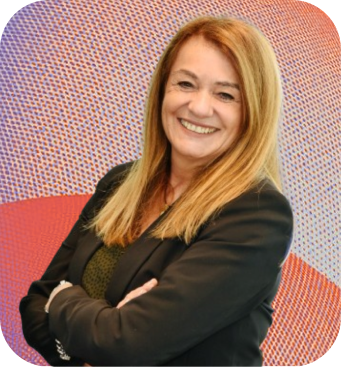
Ms. Lucilla Sioli | Director of the European AI Office, European Commission
5:50 - 6:35 pm
PANEL: COORDINATING AI SAFETY ACROSS BORDERS
No single government or company will be able to control the development and uptake of advanced AI. This panel brings together senior leaders from the global community to examine how international coordination mechanisms can build shared language, capacity, and oversight mechanisms to enable safe, trusted, and equitable AI across countries.6:40 - 6:55 pm
SESSION TEN
MODERATOR
Mr Cyrus Hodes
SPEAKERS

Mr. Robert Opp
CLOSING REMARKS
The day’s events will conclude with a brief synthesis of key takeaways.6:55 - 11:30 pm
Dinner & Reception
SESSION HR1
1:00 - 2:05 pm
Demonstration Fair: Showcase of AI Safety Tools & Solutions
Mr. Cyrus Hodes
1:00 - 1:07 pm

Dr. Rumman Chowdhury | CEO and Founder, Humane Intelligence
Humane Intelligence delivers an end-to-end evaluation workbench for GenAI, offering modular, human-in-the-loop and automated testing to help organizations move from months-long evaluation cycles to rapid, scalable deployment.
1:10 - 1:17 pm
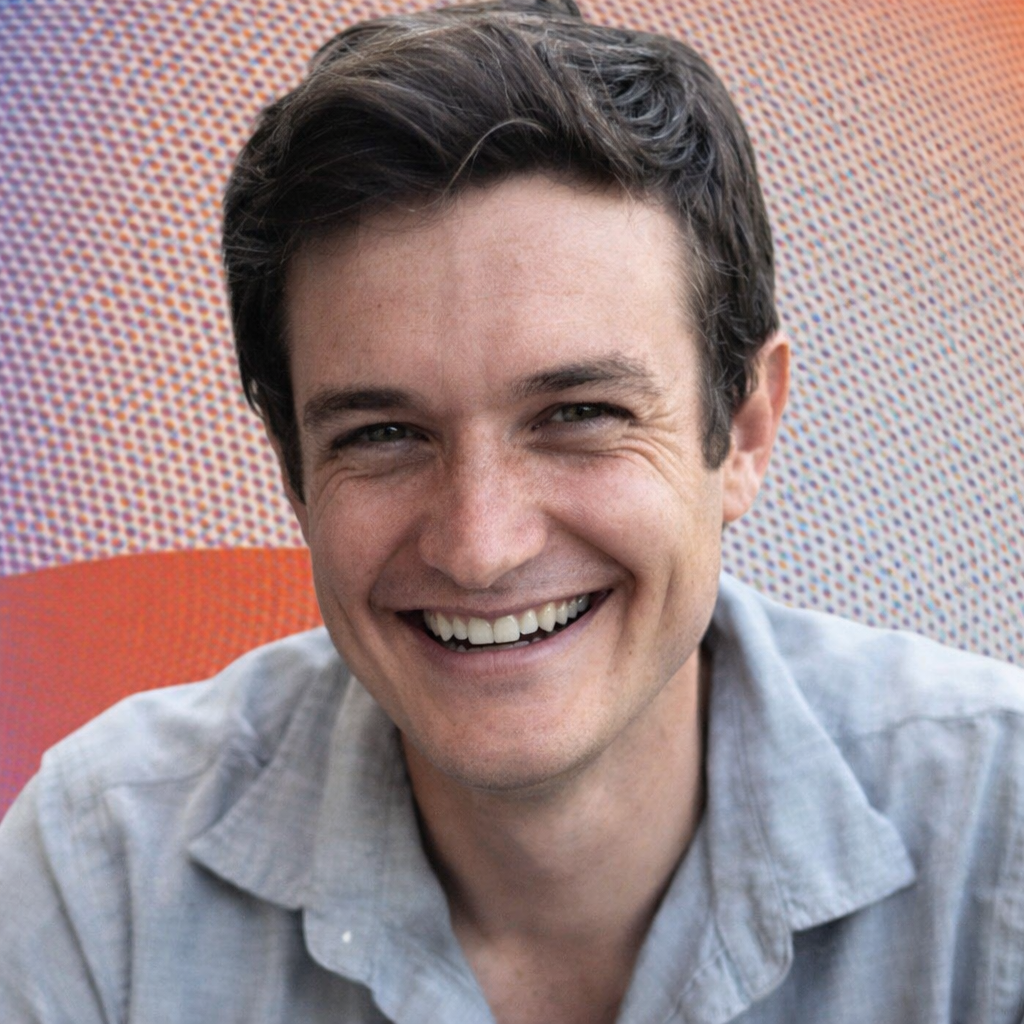
Dr. Jason Hoelscher-Obermaier | Director of Research, Apart Research
Apart Research will demo a standout project from its recent AI Manipulation Hackathon, which brought together 500+ participants to build tools that measure, detect, and defend against AI manipulation, producing 65+ open-source projects across benchmarks, detection systems, real-world monitoring tools, and novel mitigations.
1:20 - 1:27 pm
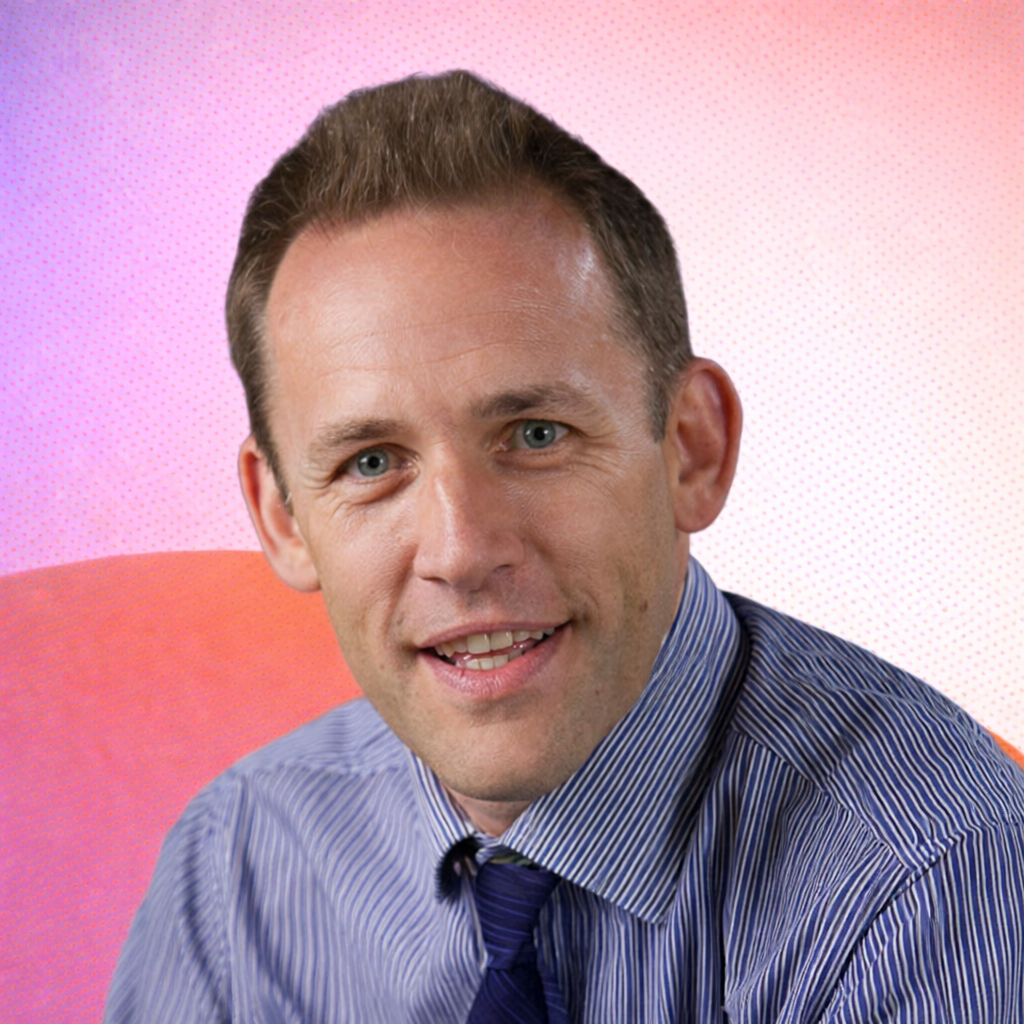
Mr. Chris Pease | President and CEO, Foundation for Agentic Networks, AgentiCorp
Physical toys have safety standards; AI toys need them, too. FAN presents a demo of Project NANDA, an agentic platform built to simulate interactions between children and LLM-based toys. Our early results reveal urgent vulnerabilities in how these "smart toys" handle sensitive emotional inputs. Join us to see how we are using simulated agents to proactively protect the psychological health of children in the age of AI.
1:30 - 1:37 pm
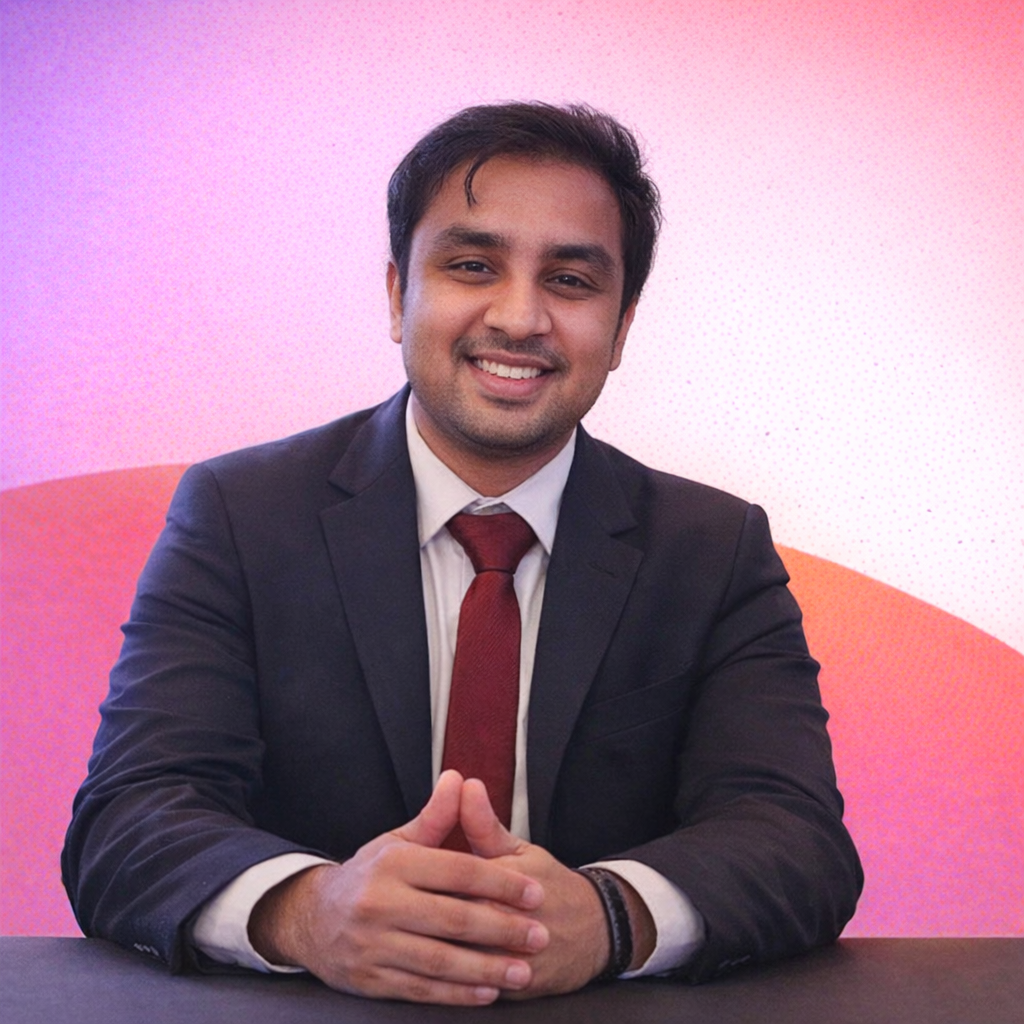
Mr. Abhishek Venkateswaran | National Project Officer, UNESCO India
UNESCO, in partnership with LG AI Research, is developing a global MOOC on the Ethics of AI, to be delivered on Coursera. The course aims to help technology professionals treat AI ethics as a practical design choice rather than solely a compliance issue, with capacity-building workshops to follow the launch in Seoul.
1:40 - 1:47 pm
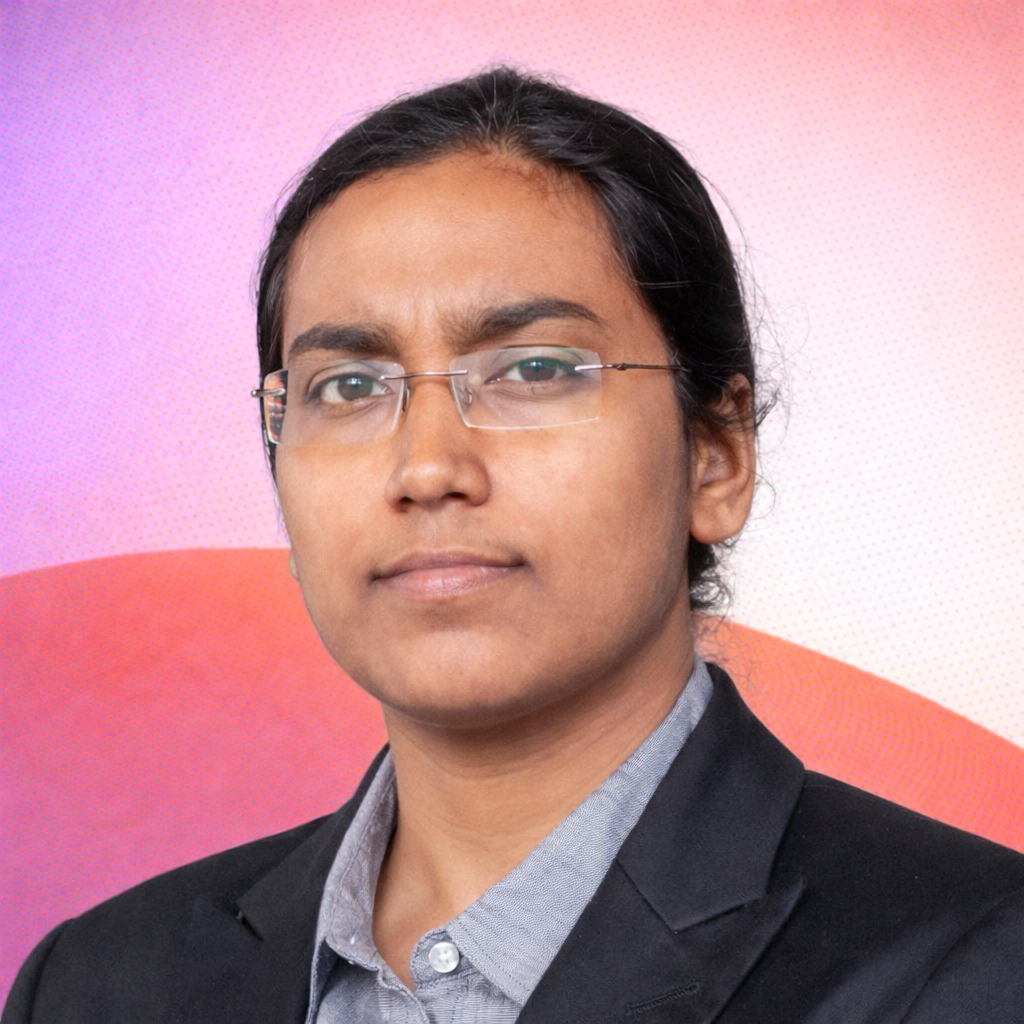
Ms. Rajni Singh | Big Data & AI Senior Manager, Accenture
This demo will walk through how to identify and mitigate GenAI-specific threat surfaces, including prompt injection risks, policy bypass attempts, and unsafe retrieval patterns. It examines how structured knowledge integration through graph-backed retrieval systems improves safety, traceability, and decision reliability in real-world use cases.
1:50 - 1:57 pm
Mr. Connor Dunlop | Director of Strategy, Lucid Computing
Lucid Computing demonstrates how pre-built auditors running inside the Trusted Execution Environment of a GPU/CPU can enable secure, verifiably compliant deployment of AI agents in minutes — showing a practical path from safety policy to provable enforcement at the hardware level.
Event Location
The Imperial Hotel, New Delhi.